

What Is TPMS? A Mississippi Driver’s Guide


November 4, 2026

Tire pressure monitoring systems (TPMS) use sensors to monitor tire inflation and alert you when pressure is too low. The warning can help prevent uneven wear, poor handling, reduced fuel economy, and tire failure. TPMS does not replace regular pressure checks, especially during Mississippi’s changing temperatures and long summer drives.

What Is a Tire Pressure Monitoring System?

A tire pressure monitoring system is an electronic safety feature found in most vehicles built after 2007. It measures air pressure in each tire and displays a warning when one or more tires fall below a safe threshold.

Most systems use one of two designs:

  • Direct TPMS: A pressure sensor inside each wheel measures air pressure and sends data to the vehicle computer.
  • Indirect TPMS: The vehicle uses wheel-speed sensors to identify changes in tire rotation that may indicate low pressure.

Direct systems usually provide a more precise pressure reading. Indirect systems may need calibration after adjusting tire pressure or rotating tires.

What Does the TPMS Warning Light Mean?

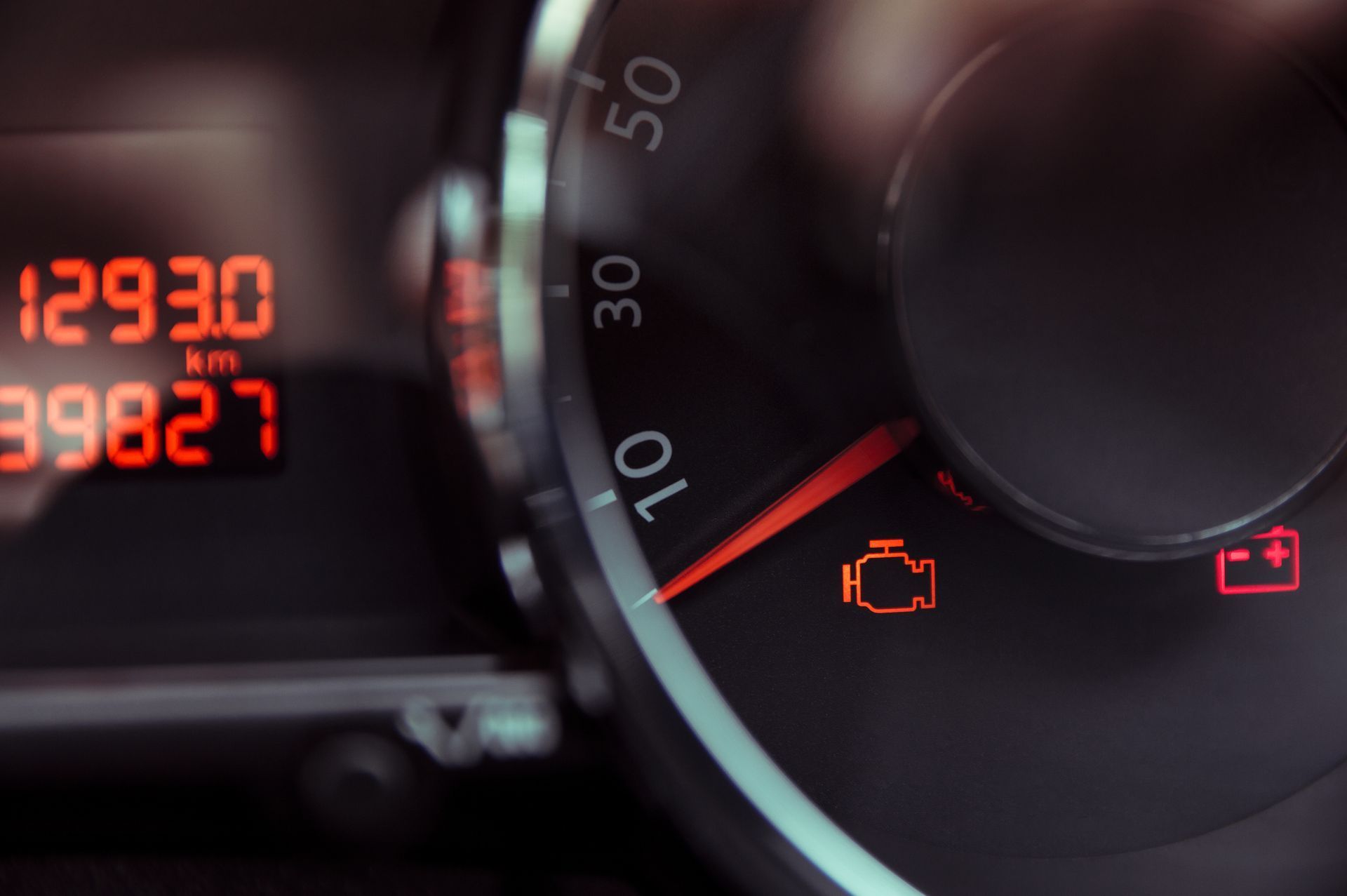
A steady yellow or amber tire-shaped light usually means that at least one tire is significantly underinflated. Stop when it is safe, inspect the tires, and check their pressure with a reliable gauge.

A TPMS light that flashes for about a minute before staying on often indicates a system fault. Possible causes include a failed sensor, low sensor battery, damaged wiring, or a sensor that was not programmed after tire service.

A light does not always identify which tire has a problem. Check all four tires, and include the spare if your vehicle monitors it.

Can You Drive With the TPMS Light On?

You may be able to drive a short distance cautiously if the tires appear intact, but do not ignore the warning. A severely underinflated tire can overheat and suffer internal damage, even when it looks normal from the outside.

Pull over and request help if you notice:

  • A flat or visibly damaged tire
  • Pulling, vibration, or unusual steering
  • A rapid pressure loss
  • A flashing TPMS warning
  • Smoke, heat, or a burning smell near a wheel

For routine inspections, see our tire services or review these tire care tips .

How Does TPMS Work?

In a direct system, each sensor measures pressure and sometimes temperature. It sends information to a receiver, which compares the reading with the vehicle’s programmed limit. If pressure is too low, the dashboard warning appears.

An indirect system does not measure air pressure directly. Instead, it compares wheel rotation speeds through the anti-lock braking system. A low tire has a smaller rolling circumference and rotates faster than the others.

Both systems depend on correct maintenance. Tire rotations, new wheels, seasonal temperature changes, and replacement tires can affect readings or require a reset.

Why Does Tire Pressure Change in Mississippi?

Air pressure changes with temperature. As outdoor temperatures fall, tire pressure generally decreases. A cold morning in Jackson, Madison, Pearl, or Clinton may trigger a warning even if the tires were properly inflated during warmer weather.

Hot roads and extended highway driving can raise pressure temporarily. Do not release air from hot tires unless a qualified technician instructs you to do so. Use the vehicle manufacturer’s recommended pressure, found on the driver’s door-jamb label or in the owner’s manual, not the maximum pressure printed on the tire sidewall.

Regular pressure checks are especially useful before:

  • Road trips or extended interstate driving
  • Heavy loads or towing
  • Seasonal temperature changes
  • Severe weather or pothole impacts
  • Replacing or rotating tires

BIG 10 TIRE PROS has served Mississippi families since 1952. Our team helps drivers choose quality tires from brands such as Michelin, BFGoodrich, Continental, and more , then checks fitment and inflation as part of professional tire care.

How Do You Reset a TPMS Light?

The correct reset process depends on the vehicle. In some cars, the light turns off after all tires are inflated to the recommended pressure and the vehicle is driven for several miles. Other vehicles require a reset through the dashboard menu, a dedicated button, or a TPMS relearn tool.

A basic process is:

  1. Check the recommended pressure for all tires when they are cold.
  2. Inflate or repair any tire that is below specification.
  3. Inspect for nails, punctures, valve leaks, or wheel damage.
  4. Complete the vehicle’s reset or relearn procedure.
  5. Drive as directed and confirm that the warning disappears.

Resetting the light without correcting the cause is not a repair. If it returns, schedule an inspection through our appointments page .

What Causes a TPMS Sensor to Fail?

TPMS sensors can fail for several reasons. Internal batteries commonly wear out after years of service. A sensor may also be damaged during tire mounting, exposed to corrosion, or affected by an impact to the wheel.

Common signs include:

  • The warning light flashes before remaining on
  • Pressure readings are missing or inaccurate
  • The warning returns shortly after a reset
  • One wheel cannot be identified by the vehicle
  • A new tire or wheel was recently installed

Sensor replacement may require programming or relearning so the vehicle recognizes the new component. A technician should also inspect the valve stem and seal to prevent air leaks.

Does TPMS Replace Checking Tire Pressure?

No. TPMS is a warning system, not a substitute for a pressure gauge. It may alert you only after pressure has dropped well below the recommended level. Some systems also do not monitor the spare tire.

Check pressure at least monthly and before long trips. Use a quality gauge on cold tires, replace missing valve caps, and compare every reading with the door-jamb recommendation. While checking, look for cracks, bulges, embedded objects, and uneven tread wear.

Proper inflation supports braking, steering, tire life, and fuel efficiency. If your tires need more than air, explore our auto repair services or find a nearby BIG 10 TIRE PROS location .

TPMS Service in Jackson, Madison, Pearl, and Clinton

A TPMS warning may involve low pressure, a puncture, a sensor, or a calibration issue. Professional testing can identify the cause before a small problem becomes a roadside breakdown.

BIG 10 TIRE PROS provides tire inspections and automotive service for drivers throughout Jackson, Madison, Pearl, and Clinton. Our family-run business combines local experience with dependable products, careful workmanship, and straightforward recommendations.

Frequently Asked Questions

How much does TPMS service cost?

The cost depends on whether the vehicle needs inflation, diagnosis, programming, a valve service, or sensor replacement. An inspection provides the most accurate estimate.

Can cold weather trigger a TPMS warning?

Yes. Lower temperatures reduce air pressure. Check all tires when cold and inflate them to the manufacturer’s recommendation.

Will a new tire fix a TPMS warning?

Not necessarily. The warning may come from low pressure, a puncture, or a failed sensor. The entire system should be diagnosed.

How long do TPMS sensors last?

Many sensors last several years, but battery life varies by vehicle, mileage, climate, and sensor design.

Your Next Step for TPMS Service

A tire pressure monitoring system is an important early warning tool, but it works best with regular pressure checks and professional inspections. Respond promptly to a TPMS warning, confirm the actual tire pressure, and avoid resetting the light without finding the cause. Whether you drive in Jackson, Madison, Pearl, Clinton, or nearby communities, BIG 10 TIRE PROS can test your system, inspect your tires, and explain your repair options. Schedule TPMS service today for safer, more confident driving.

Schedule an Appointment

At BIG 10 TIRE PROS, we understand that your time is valuable. That's why we offer convenient hours and flexible appointment scheduling to accommodate your busy schedule.


SHARE THIS

ABOUT / CONTACT
Find a Big 10 Tire Pros
Search A Location Near You:
Find a Big 10 Tire Pros
Zip/Postal Code or City, State/Province*
Required Field(*)
My Big 10 Tire Pros

No matter which location you choose, you’ll get the same quality service and attention to detail. Whether you’re in Jackson or another Mississippi town, BIG 10 TIRE PROS is ready to keep your vehicle running at its best.

Latest Posts

September 15, 2026
Engine diagnostics help translate your vehicle’s warning signs into useful information. If you drive in Clinton MS, Jackson MS, Pearl MS, Madison MS, or the surrounding area, understanding the basics can help you respond calmly when a warning light appears, avoid guesswork repairs, and know when it is time to schedule professional service. This guide explains what diagnostics do, what the check engine light may mean, and how to decide between a quick DIY scan and a deeper inspection from a qualified repair team.
September 15, 2026
A smooth drive starts where your vehicle meets the road: the tires. Tire balancing is the service that corrects uneven weight distribution in the tire and wheel assembly, helping reduce vibration, protect tread life, and keep your vehicle feeling stable at everyday and highway speeds. If you drive around Clinton MS, Jackson MS, Pearl MS, Madison MS, or nearby communities, knowing when and why to balance tires can save you from rough rides and premature wear.  For local drivers, Big 10 Tire Pros can be part of a practical maintenance routine that includes balancing, inspection, and tire rotation service. The goal is simple: keep each tire rolling evenly so your vehicle handles the way it should.
September 15, 2026
If you’re driving around Clinton MS, commuting toward Jackson MS, running errands in Pearl MS, or heading out for a weekend in Madison MS. Your vehicle’s cooling system is quietly doing high-stakes work in the background. One of the most overlooked parts of that system is the radiator hose. It looks simple, but it’s often the difference between a normal day and a sudden breakdown on a hot Mississippi afternoon.
Car A/C control knob with blue and red temperature markings
May 20, 2026
Need Hyundai Santa Fe AC repair in Jackson MS? Learn common AC problems, repair costs, and when to visit Big 10 Tires for fast, reliable service.
Cars parked in a bright auto repair garage, with a blue pickup in the foreground.
April 17, 2026
Need Chevy Silverado transmission repair in Pearl MS? Learn common transmission problems, warning signs, and expert repair solutions at Big 10 Tire & Service.
A high-angle view of a Honda V6 car engine bay, showing the silver engine block, belts, and fluid reservoirs.
March 14, 2026
Honda Pilot leaking oil near the valve cover? Big 10 Tire Pros in Jackson, MS diagnoses and repairs VVT solenoid oil leaks to keep your engine running smoothly.

Light blue Honda Pilot SUV on display in a showroom with
By Big 10 Tire Pros • February 10, 2026
Learn why Honda Pilot timing belt replacement is critical, when it should be done, and how Big 10 Tire Pros in Pearl, MS helps protect your engine with preventative maintenance.
Underside view of a car being serviced. Technician checks fluid levels with a dipstick.
January 18, 2026
Learn when your Nissan Sentra needs transmission fluid service, common CVT warning signs, and expert maintenance available at Big 10 Tire Pros in Mississippi
Car's brake disc and caliper, viewed from underneath. Dusty, in a repair shop setting.
December 16, 2025
Learn when your Toyota RAV4 needs brake pad replacement, warning signs to watch for, and professional brake service from Big 10 Tire Pros in Mississippi.

Mechanic in blue coveralls and safety glasses working on machinery in a workshop.
December 1, 2025
Learn why Chevy Silverado trucks experience tire wear and alignment issues in Mississippi and how Big 10 Tire Pros helps extend tire life with expert service

Show More