
What To Know About Radiator Hoses

If you’re driving around Clinton MS, commuting toward Jackson MS, running errands in Pearl MS, or heading out for a weekend in Madison MS. Your vehicle’s cooling system is quietly doing high-stakes work in the background. One of the most overlooked parts of that system is the radiator hose. It looks simple, but it’s often the difference between a normal day and a sudden breakdown on a hot Mississippi afternoon.
Why Radiator Hoses Matter More Than Most Drivers Think
A modern engine runs hot by design. Your cooling system circulates coolant to keep temperatures stable, and automotive radiator hoses are the flexible pathways that make that circulation possible. When a car radiator hose fails, coolant can dump quickly; leading to overheating, warped engine components, or even catastrophic engine damage.
The most common hose types you’ll hear about include:
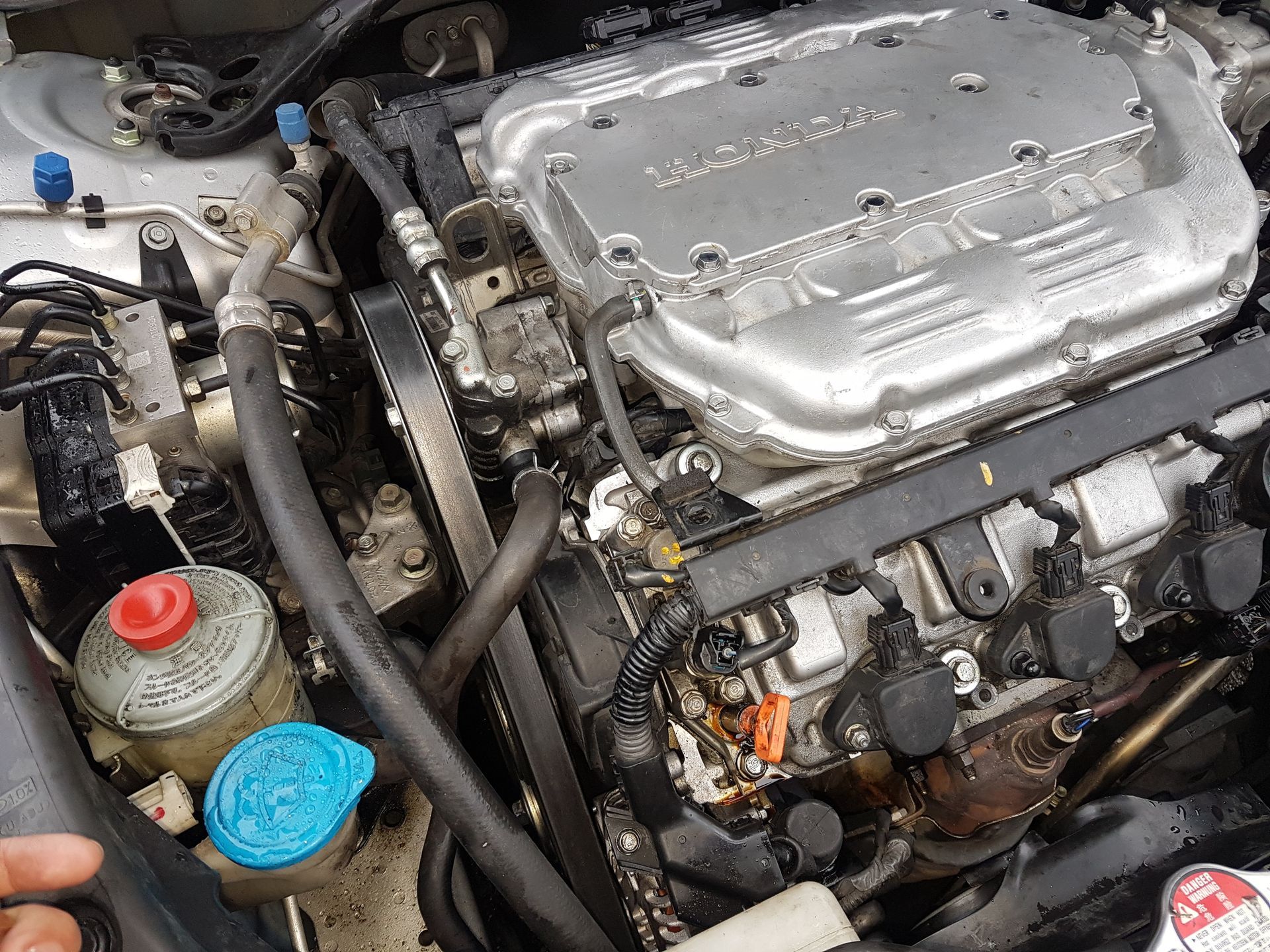
- Upper radiator hose (hot coolant from engine to radiator)
- Lower radiator hose (cooled fluid back into the engine)
- Engine coolant hose lines feeding the heater core
- Coolant reservoir hose connecting the overflow tank and radiator
Collectively, these auto radiator hoses are part of a system that must stay sealed, pressurized, and resilient under heat and vibration.
How Radiator Hoses Work
Coolant absorbs engine heat, then travels through the radiator coolant hose to the radiator, where it releases heat to the air. The cycle repeats constantly while you drive. Because the system is pressurized, hoses must handle:
- High temperature swings (cold start to full operating temp)
- Pressure changes as the thermostat opens/closes
- Chemical exposure from coolant
- Flexing from engine movement and road vibration
Even quality automotive hoses degrade over time—especially in warm climates and stop-and-go traffic common around the metro area.
Signs Your Radiator Hose Is Failing
If you’re wondering whether you need new automotive radiator hoses, watch for these warning signs:
- Bulges or swelling along the hose
- Soft spots (hose feels spongy when squeezed carefully, engine is cool)
- Cracks near the ends or along bends
- Coolant smell or visible wetness near clamps
- Low coolant level in the overflow tank (possible slow leak)
- Temperature gauge creeping higher than normal
A leak doesn’t always show up as a puddle. Sometimes coolant evaporates on hot engine parts, leaving a crusty residue.
Why Heat and Humidity in MS Can Accelerate Hose Problems
In MS, long summers and humidity can shorten the lifespan of rubber components. Add daily driving between Clinton MS and nearby cities like Jackson MS, and you’ve got plenty of heat-soak cycles.
Common local driving patterns that stress hoses include:
- Short trips (engine repeatedly warms up and cools down)
- Idling in traffic
- Towing or hauling
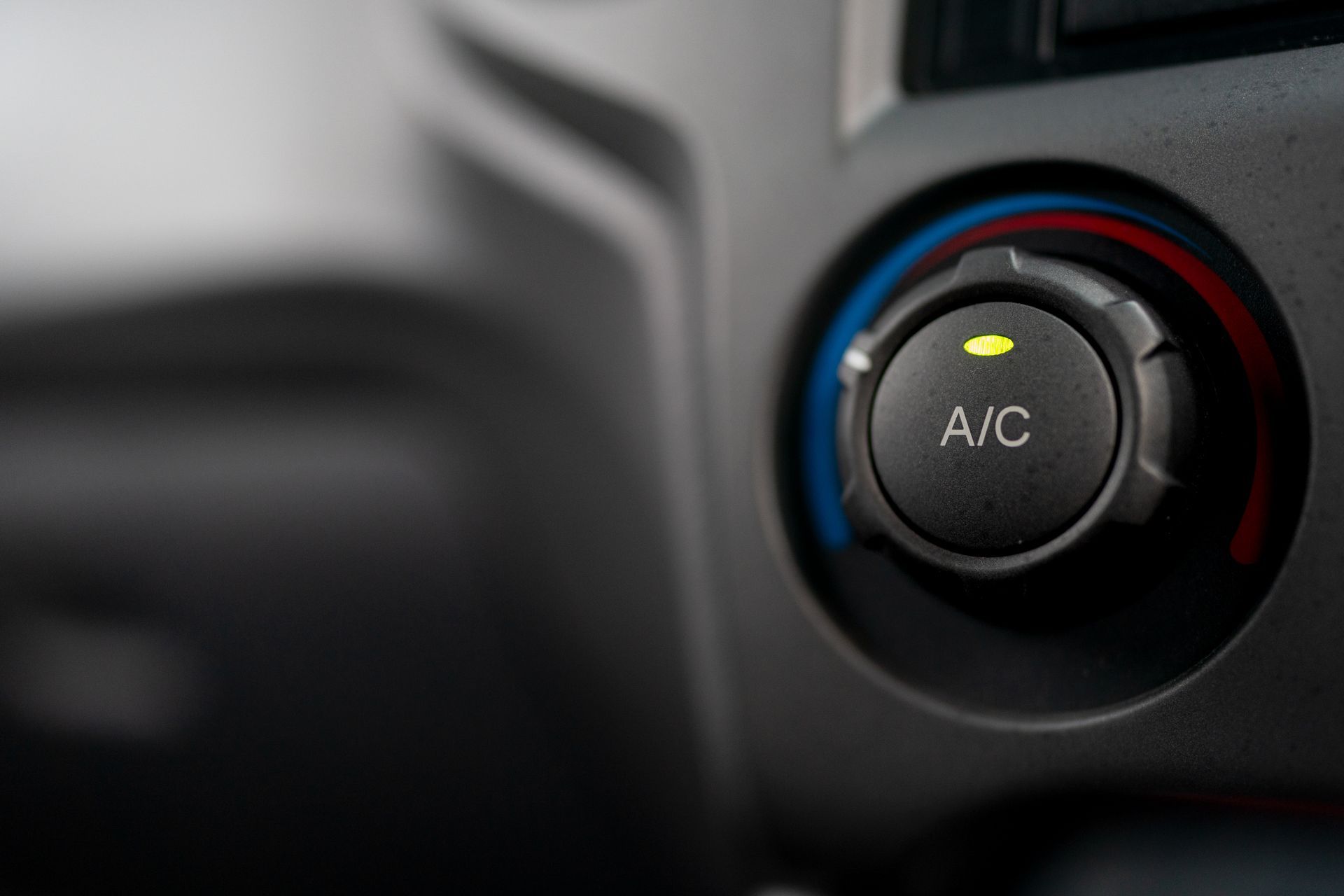
- Running the A/C hard in summer
If you’re new to the area your vehicle may experience different conditions than it did in a cooler state, so it’s worth giving your cooling system a baseline inspection.
Preventive Maintenance: Simple Checks You Can Do at Home
You don’t have to be a mechanic to spot early issues with a radiator hose. With the engine cold:
- Open the hood and visually inspect hoses for cracks or swelling.
- Check clamps for corrosion and tightness.
- Look at the coolant level and color in the reservoir.
- Feel for “mushy” sections (light squeeze only—again, cold engine).
If you see issues on one hose, consider the whole set. Hoses often age together, and replacing multiple engine coolant hose lines at once can prevent repeat visits.
Where to Get Help in Clinton MS
If you prefer expert inspection, local tire and auto service centers can check the full cooling system and recommend what’s urgent vs what can wait. Many residents in Clinton MS also choose nearby service options while commuting. For example, Big 10 Tire Pros is a recognizable name for drivers looking for automotive maintenance support, and cooling-system inspections often pair naturally with other routine services.
No matter where you go, ask for:
- A pressure test (helps confirm small leaks)
- Condition check of all auto radiator hoses
- Inspection of clamps, thermostat housing area, and reservoir connections
Cooling System Care Tips for Daily Driving Around Clinton, Jackson, and Beyond
Whether you’re exploring things to do near Jackson MS or driving between Clinton and Madison for work or school, these habits help reduce cooling-system surprises:
- Replace coolant at the recommended interval (old coolant becomes corrosive)
- Don’t ignore minor leaks—small seepage becomes sudden failure
- Keep the radiator area clear of debris
- Watch your temperature gauge in summer traffic
- After any overheating event, inspect hoses and the cap immediately
If a hose fails on the road: pull over safely, shut the engine off, and don’t open the cooling system while hot.
Takeaway: Treat Radiator Hoses as a “Small Part, Big Consequence” Item
A radiator hose isn’t glamorous, but it’s one of the most cost-effective components to maintain proactively. Inspect your automotive radiator hoses regularly, watch for early warning signs, and address leaks before they become breakdowns, especially in the heat of MS. If you’re unsure, a local inspection (including checks of each engine coolant hose and the coolant reservoir hose) can give you confidence before your next commute through central Mississippi.
We’ve got all your automotive repair needs covered.