What is an engine diagnostic and why does it matter?
An
engine diagnostic is a process that checks your vehicle’s computer system for stored trouble codes, live sensor data, and signs that something is not working as intended. Modern vehicles constantly monitor systems related to fuel delivery, emissions, ignition, temperature, airflow, and more. When the computer detects a problem, it may store a diagnostic trouble code and trigger a dashboard warning.
That code is a starting point, not a final answer. For example, a code related to an oxygen sensor may point to the sensor itself, but it could also be connected to wiring, exhaust leaks, fuel mixture problems, or another issue affecting the reading. A good diagnostic process looks beyond the code and asks what caused it.
For drivers, the benefit is simple: diagnostics help identify problems earlier and more accurately. Instead of replacing parts based on a hunch, a technician can use scan tools, live data, visual inspections, and targeted tests to narrow down the source of the issue. That can save time, reduce unnecessary repairs, and help keep your vehicle dependable for daily driving.
The check engine light is a warning, not a diagnosis
The
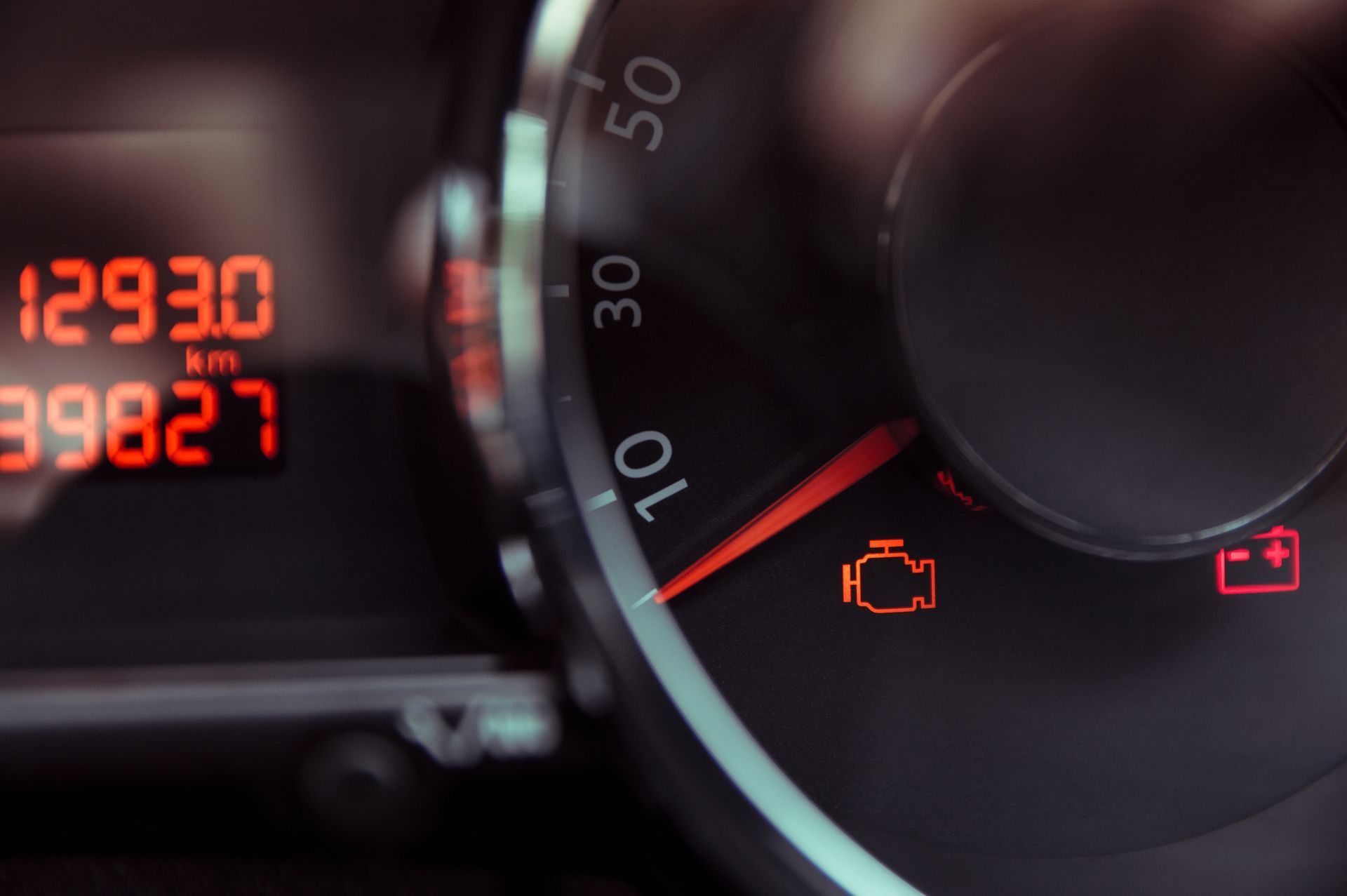
check engine light is one of the most common reasons drivers seek engine diagnostics. It can come on for something minor, such as a loose gas cap, or for something more serious, such as a misfire that could damage the catalytic converter. The light tells you the vehicle has detected a problem, but it does not explain the full cause on its own.
A steady check engine light usually means the vehicle needs attention soon. You may still be able to drive, but you should not ignore it for days or weeks, especially if the vehicle feels different. A flashing check engine light is more urgent. If the light flashes, reduce driving as much as possible and arrange service promptly, because the issue may be severe enough to cause additional damage.
If you are wondering, “my check engine light came on, what now?” the best first step is to notice how the vehicle behaves. Is it shaking, hesitating, losing power, smelling unusual, or running hotter than normal? Those symptoms can help determine whether you should pull over, call for help, or schedule a diagnostic appointment.
Why would a check engine light come on?
A check engine light can come on when the vehicle’s onboard computer detects a fault in the engine, emissions, fuel, ignition, or related control systems. The exact cause can range from simple to complex, which is why scanning the code and confirming the underlying issue matters. If you have searched “why is check engine light on” or “why would a check engine light come on,” the honest answer is that the light needs context before anyone can diagnose it accurately.
Some common causes for a check engine light include:
- Loose or damaged gas cap: A cap that is not sealed properly can affect the evaporative emissions system and trigger a warning.
- Faulty oxygen sensor: Oxygen sensors help the computer monitor the air-fuel mixture and emissions performance.
- Engine misfire: Misfires may cause shaking, rough idle, poor acceleration, or a flashing light.
- Catalytic converter or emissions issue: Emissions-related faults can reduce efficiency and may lead to more expensive repairs if ignored.
- Mass airflow sensor problem: This sensor helps measure incoming air so the computer can adjust fuel delivery.
- Fuel system issue: Fuel pressure, injectors, or mixture problems can affect performance and drivability.
- Ignition system fault: Spark plugs, coils, and related components can cause rough running when they fail.
These are only examples of check engine light causes. The same warning light can represent very different problems depending on the vehicle, mileage, maintenance history, symptoms, and stored codes.
What to do when the light appears
When the light comes on, the goal is to respond in a way that protects your vehicle without overreacting. A calm, step-by-step approach can help you make a better decision.
- Check the light pattern. A steady light usually calls for prompt service. A flashing light should be treated as urgent.
- Notice how the vehicle feels. Rough idle, shaking, smoke, overheating, or loss of power can signal a more serious condition.
- Tighten the gas cap if safe to do so. If the cap was loose, the light may not turn off immediately, but this is a simple thing to check.
- Avoid heavy driving. Do not tow, speed, or push the vehicle hard until you know what is wrong.
- Schedule diagnostics. A professional inspection can confirm whether the issue is minor, developing, or urgent.
- Do not clear the code just to turn off the light. Clearing codes without fixing the cause can erase useful information and delay the real repair.
If the vehicle is overheating, making loud mechanical noises, shaking violently, or the check engine light is flashing, it is safer to stop driving and seek help. If the car seems to run normally and the light is steady, you can usually schedule service soon, but it should still be addressed.
DIY scan tools have limits
Affordable OBD-II scanners can be useful for drivers who want basic information. Many consumer tools can read and clear codes, and some apps show simple descriptions of what a code may relate to. If you like understanding your vehicle, a DIY scanner can help you ask better questions when you visit a repair shop.
However, a code reader is not the same as a diagnosis. A basic scanner may tell you which system reported a problem, but it may not show manufacturer-specific data, live sensor behavior, freeze-frame conditions, or the results of deeper tests. It also cannot inspect wiring, listen for mechanical problems, test fuel pressure, verify exhaust leaks, or confirm whether a part has actually failed.
This is where professional diagnostics are valuable. A trained technician can combine scan data with experience, testing equipment, service information, and hands-on inspection. That difference matters because replacing the part named in a code is not always the correct repair.
Professional diagnostics connect the code to the cause
A professional
engine diagnostic appointment typically starts with a scan of the vehicle’s computer system. The technician may record stored codes, pending codes, freeze-frame data, and live operating information. From there, the process can include visual checks, road testing, electrical testing, component checks, or other steps based on the symptoms.
Many straightforward diagnostic checks can begin within a typical service visit, while complex intermittent issues may take longer. Problems that only happen under certain temperatures, speeds, loads, or driving conditions often require more careful testing. That extra time can be worthwhile because it helps prevent unnecessary parts replacement.
For drivers around Clinton MS, it also helps to choose a repair provider that explains findings clearly. Whether you visit a local shop, a dealership, or a regional service provider such as Big 10 Tire Pros, you should understand what code was found, what testing confirmed, and what repair is recommended. A clear explanation builds confidence and helps you prioritize repairs when more than one issue is present.
Local driving can influence vehicle symptoms
Drivers in Clinton MS and nearby communities often rely on their vehicles for commuting, errands, school transportation, and travel across the Jackson metro area. Stop-and-go driving in Jackson MS, short trips around Pearl MS, and daily routes between Madison MS and surrounding towns can all place different demands on a vehicle. Heat, traffic, idling, and repeated short drives may make small issues more noticeable.
For example, a vehicle with a weak ignition coil may feel fine on a short trip but stumble during acceleration. An emissions leak may show up only after the system runs a self-test. A cooling or sensor issue may appear during heavy traffic rather than on an open road. These details are useful during diagnostics because they help the technician recreate the condition that triggered the warning.
Before your appointment, write down what you noticed and when it happened. Include whether the light came on after fueling, during rain, while accelerating, at highway speed, or after the vehicle sat overnight. Small details can make a big difference.
How do you choose where to get diagnostics?
Choose a diagnostic provider based on skill, equipment, communication, and the ability to repair the problem after it is found. A convenient location matters, especially if you are in Clinton MS, Jackson MS, Pearl MS, or Madison MS, but convenience should not be the only factor. The best experience comes from a shop that treats the diagnostic process as problem-solving, not just code reading.
Look for a service team that:
- Explains the difference between a stored code and a confirmed failed part.
- Uses professional diagnostic equipment and testing procedures.
- Asks about symptoms, driving conditions, and recent repairs.
- Provides a clear recommendation before work begins.
- Can discuss repair priorities if the vehicle has multiple issues.
- Helps you understand whether the vehicle is safe to drive.
You do not need to know every technical detail before visiting a shop. You only need a provider willing to explain what they found in plain language and help you make a practical decision.
A diagnostic visit is an investment in clarity
It can be tempting to delay service when the car still starts and drives. The problem is that warning lights rarely improve with time. A small emissions leak, misfire, sensor issue, or fuel problem may become harder to diagnose or more expensive to repair if ignored long enough.
Diagnostics provide clarity. They help separate minor issues from urgent ones, identify patterns, and create a repair plan based on evidence. For many drivers, that peace of mind is just as important as the repair itself.
If your
check engine light causes concern, do not rely on guesses or internet lists alone. Use them to understand possibilities, then have the vehicle checked by someone who can confirm the cause.
Key takeaways for drivers
Engine diagnostics are not just about turning off a dashboard light. They are about understanding what your vehicle is trying to report and making smart repair decisions.
Remember these points:
- A steady check engine light needs prompt attention.
- A flashing check engine light should be treated as urgent.
- Common causes include gas cap issues, oxygen sensors, misfires, emissions faults, fuel problems, and ignition problems.
- DIY scanners can read codes, but they do not replace professional testing.
- Clear notes about symptoms and driving conditions can help the diagnostic process.
- Local drivers in Clinton MS, Jackson MS, Pearl MS, and Madison MS should choose a shop that explains both the code and the confirmed cause.
A check engine light does not have to be a mystery. With the right diagnostic process, you can move from worry to answers, protect your vehicle, and get back on the road with more confidence.